What I Learned Rewatching Toy Story 1-4
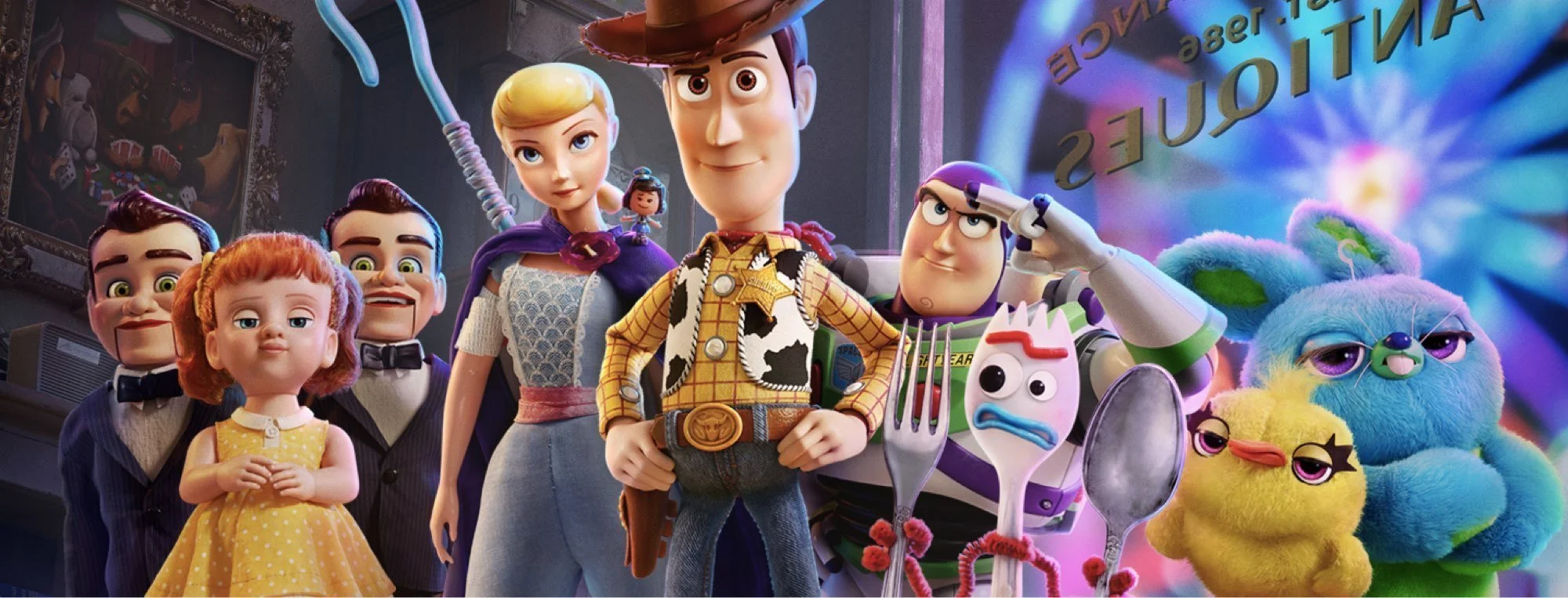
We spent last week's snow days rewatching the Toy Story films. Like most Pixar movies, these work on multiple levels: what appears to be a story about friendship and childhood transitions also addresses parenting, purpose, legacy, and the feelings of loneliness many of us experience as we age. The children who relied on us have grown up. We're replaced by younger colleagues at work. These questions can simmer for years, but they tend to come to a head as retirement approaches.
This plays out most poignantly through Woody, who goes from being Andy's most prized toy to playing second fiddle when Buzz Lightyear arrives. The first film reads like a workplace drama: the hotshot shaking up the office, realigning roles, and triggering a battle of egos. Eventually, a friendship forms when each recognizes the other's strengths and good intentions, and they embrace their shared purpose.
In the second film, Woody wrestles with leaving Andy behind to chase immortality behind a collector's glass in a toy museum—restored to mint condition to be forever admired but never played with again. Ultimately, Woody realizes that friendship and connection matter more than acclaim. While success can be fun, it’s fleeting. I’m reminded of the adage to be careful that the ladder you are climbing is leaning against the right wall.
The third film sees Andy leave for college. Woody and the gang are accidentally donated to a daycare, relegated to the toddler room, where their aging bodies can't keep up with the pace and rough play. Who are we when our children no longer need us, when the careers we've built leave us behind? The adventure that follows is epic, but it's the ending that gets you: a grown-up Andy introducing his toys to Bonnie, giving them a second chance. Not unlike the arrival of a grandchild.
But it's Toy Story 4 that pushes deepest. Bonnie is growing up, making new friends (Forky!) who matter more than Woody ever could—or should. Without a child to pour his energy into, Woody must figure out who he is beyond his career and his role as a surrogate parent. He encounters his long-lost love, Bo, who was placed in an antique shop years ago but escaped and embraced life as a 'lost toy,' finding purpose in repairing other lost toys and helping them find new children. It's uncomfortable for Woody to think of himself apart from his old role. He clings to duty as a refuge from harder questions about who he is without someone to serve. Ultimately, this is a story of rediscovery through a rekindled relationship, not unlike a marriage after years of neglect during the chaos of parenting and career.
David Brooks maps a similar moral terrain in his 2019 bestseller, The Second Mountain. The first mountain, he observes, centers on achievement, resume virtues, and individual success. The second focuses on commitments that bind you to others: vocation, relationship, and belonging. It's easy to say we should choose the latter—we all want to be good partners, parents, friends, leaders—but like Woody, we're often bad at the skills required.
This is where Brooks’s latest book, How to Know a Person, picks up. It reads like the relational sequel, delving into the author’s own biography with honesty and vulnerability and mapping the way. Brooks reflects on his own emotional distance earlier in life, acknowledging how morally serious people can still fail relationally. Yet through this journey through the valley between the two mountains, he has come to see that empathy and understanding aren't just virtues but learnable skills: listening without trying to fix or impress, making others feel understood and dignified. (See Woody's relationship with Gabby Gabby, the main villain of Toy Story 4)
One of Brooks's key insights is the same one Pixar knows so well: the importance of storytelling as a way to understand people—both their stories and our own. Hearing how someone came to hold certain values provides psychological and moral context that simple facts never can.
Woody's story ends with him standing atop a tent (read: mountain) with Bo, watching Bonnie drive off with Buzz and the gang. He's embarking on a new life—not one of comfort or ease, but one filled with love, connection, adventure, and newfound purpose.
To infinity and beyond.